


IB Diploma. SL & HL
See the world
through economics.
Small-group IB Economics taught by qualified, experienced IB teachers who are currently teaching in high schools. Our Year 1 program helps students build a deep understanding of how economies work, and the skills to apply, analyse and evaluate with confidence across every paper.

Why Economics matters.
Economics is already part of your life. It's why your rent, phone plan and groceries keep going up. It explains why concert tickets sell out in minutes and cost more on resale. It's behind what you'll earn in your first job, what your HECS debt will cost, and whether you'll ever afford a place of your own.
IB Economics teaches students to see the world through an economist's eyes. They learn to weigh up efficiency and equity, question policies and think critically about sustainability and wellbeing in a connected global economy. Whether students plan to study economics, business, law or politics at university, or simply want to understand the headlines, it gives them the tools to think clearly about the biggest issues of our time.
At Soshy, we teach Economics the way it should be taught: clearly, carefully and connected to the real world.
The Course

Soshy's IB Economics classes follow the current IB Diploma Economics guide (first assessment 2024), at both Standard Level and Higher Level. In 2027, we're offering a Year 1 program only. Year 2 students can book private 1:1 lessons for tailored support.
Year 11 – Year 1 Program
In 2027, Soshy is offering IB Economics for students in their first year of the Diploma.
Our Year 1 program focuses on building strong foundations and evaluative skills:
Unit 1: Introduction to economics
Unit 2: Microeconomics
Unit 3: Macroeconomics
Paper 1 skills: The 10-mark and 15-mark extended responses, with a strong focus on accurate diagrams, real-world examples and balanced, substantiated evaluation
Paper 2 skills: Data response questions, applying theory to real-world text and data, and quantitative questions
Paper 3 skills (HL): Quantitative techniques and policy recommendations linked to the units studied
Our approach to the syllabus
We don't reteach the whole course. We teach what makes the difference.
IB Economics is designed for 150 teaching hours at SL and 240 at HL, delivered at school over two years.
A Soshy class runs for 2 hours a week. Trying to cover every syllabus dot point in that time would mean rushing through content your child has already covered at school, without the depth that actually improves understanding and results.
So we don't. Instead, we use our time where it adds the most value:
01.
The concepts that matter most.
We focus on the big ideas that connect the course and appear again and again in assessments and exams.
02.
The content students find hardest.
We slow down on the topics where students most often get stuck, and teach them clearly and carefully.
03.
The skills that earn marks.
We teach students to apply their knowledge, analyse economic data and write strong responses across every question type.
04.
What IB examiners look for.
As experienced IB teachers, we use exemplars and marking criteria to show students what separates a good answer from an outstanding one.
05.
What's coming up at school.
We plan around upcoming assessments and exams, so students feel prepared when it counts.
Soshy is designed to work alongside school, not replace it. School delivers the full course. We help students understand it deeply and show what they know.
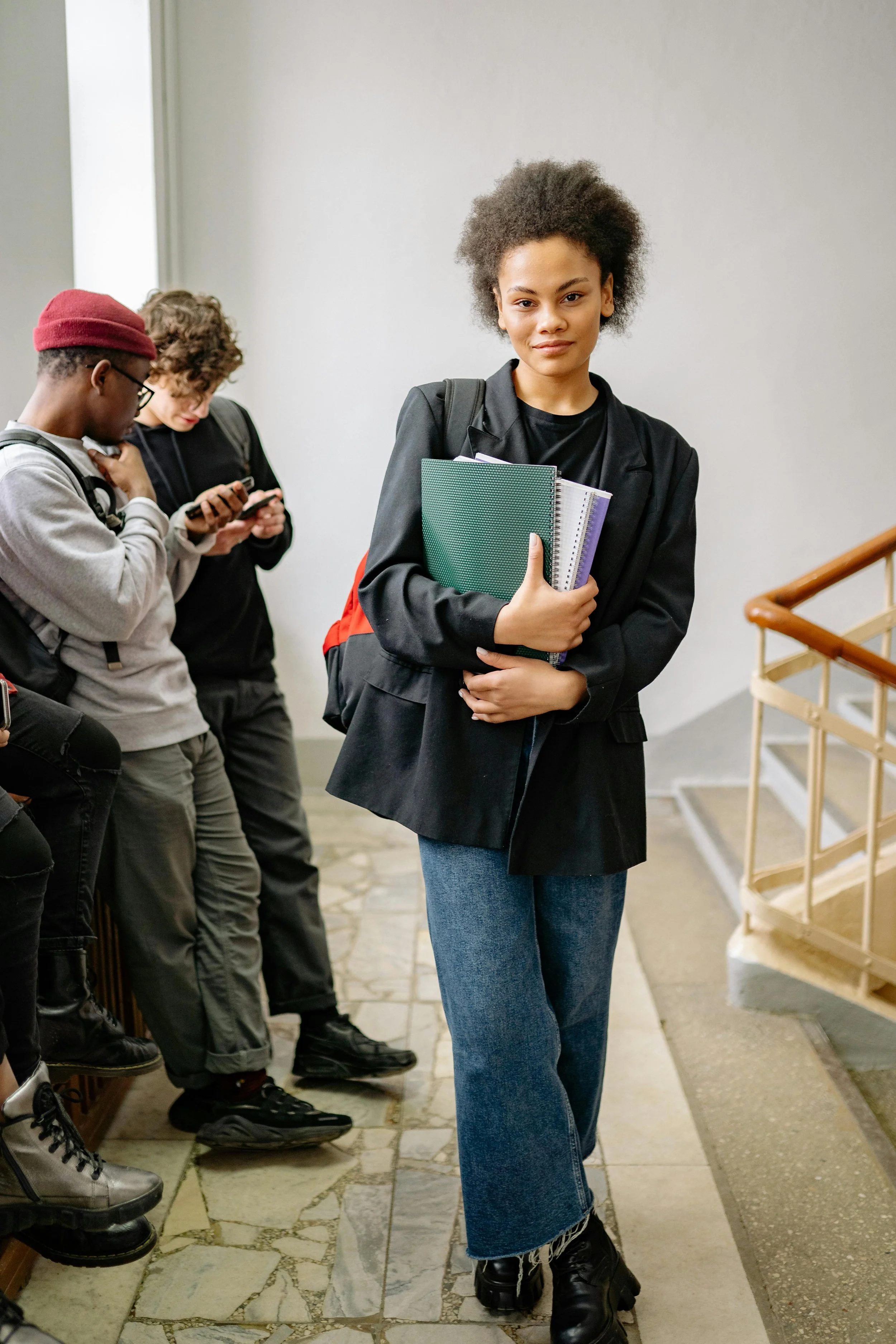
What students will build.
Deep understanding.
Clear explanations of key concepts, models and theory, so students know why, not just what.
Real-world application.
IB Economics rewards students who can apply theory to real-world examples, text and data. Students learn to do this confidently in Paper 1, 2 and 3-style questions.
Think like an examiner.
Students learn to unpack every question: identifying the command term, the key concepts and the evidence it demands. They build a marking guide in their head before they write, so they understand exactly what IB examiners are looking for.
Diagram confidence.
Accurate, well-labelled diagrams that are fully explained and integrated into responses.
Writing confidence
Balanced, substantiated judgements that weigh up costs and benefits, stakeholders, and short- and long-term effects, developed through the 15-mark extended response.
What’s included in this program?
-
Starting diagnostic and writing sample to identify each student's strengths and gaps from Week 1
10-mark and 15-mark extended responses, marked against the IB markbands with specific feedback on diagrams, application, analysis and evaluation
Data response questions for Paper 2, with feedback on using text and data as evidence
Quantitative questions with worked solutions, so students understand the method, not just the answer
Paper 3 policy practice for HL students, including calculations and policy recommendations
Practice papers under realistic conditions, with feedback that shows students exactly what to do next
-
Extended response scaffolds that show students how to build balanced, substantiated judgements that demonstrate critical thinking
Data response and policy recommendation scaffolds that break each question type into clear, manageable steps
Diagram guides showing how to draw, label and explain every key diagram
Exemplar responses that show students what high-quality answers look like at each level
Literacy support to help students use economic terminology accurately and write with clarity and precision
Differentiated activities that support students who need consolidation and extend those ready to go further
Real-world example reports summarising current economic data, events and policy, ready to use as evidence in responses
Term resource pack with notes, models and practice questions aligned to the IB guide
-
Mid-term progress report showing how your child is tracking and where to focus
End-of-term progress report summarising growth, strengths and next steps
$1, 100 per term. About $60 per hour.
Frequently Asked Questions
-
No, and that's a deliberate choice. The course is designed for 150 hours of teaching at SL and 240 hours at HL, delivered at school over two years.
Some tutoring programs aim to cover the entire course in a few hours a week. That often means moving quickly through content students have already learnt at school, with limited time for questions, practice or feedback. Students may leave with more notes, but not necessarily a deeper understanding or stronger results.
We take a different approach. We focus on the key concepts, the content students find hardest, the skills that earn marks and what IB examiners look for, planned around your child's upcoming assessments. It's depth over coverage, so the time your child spends with us adds real value to what they learn at school.
-
In 2027, we're offering the Year 1 program only. Year 2 students looking for support can book private 1:1 lessons tailored to their needs.
-
SL and HL students learn together, and most of the course is shared by both levels. When a lesson covers HL-only content, such as Paper 3 or HL extension topics, SL students complete targeted literacy activities to improve their exam technique and consolidate their understanding of the core content. Every minute of the lesson remains relevant to their course.
-
Not at all. Our classes suit students at every level, and the starting diagnostic helps us understand what each student needs.
-
Yes. Soshy’s IB courses and private 1:1 lessons are available for students wherever they’re based. Classes are delivered live online, so all you need is a stable internet connection. Please note all lesson times are set in Sydney, Australia time (AEDT/AEST), so you’ll need to convert to your local time zone when scheduling.
-
Our weekly classes don't include individual IA or EE support. Every student's IA commentaries and EE are unique, and trying to cater to each student's individual needs within a 2-hour group lesson wouldn't do them justice.
Instead, we offer IA and EE workshops as an additional service, separate from the weekly course. They run at key points throughout the term to guide students through each stage of the process. Places are limited, and current Soshy students receive first preference. More information, including dates and how to book, will be shared with current students closer to each workshop.
For individual support, students can also book private 1:1 lessons alongside their enrolment in the course.
All IA and EE support follows IB academic integrity requirements. We help students understand the task and develop their skills, but we never write or edit their work.
-
Our private 1:1 lessons are tailored entirely to your child. They're ideal for targeted help with a tricky topic, assessment preparation or feedback on drafts, and can be taken on their own or alongside a Soshy class.
Enquire about private 1:1 lessons here. -
Our teachers also teach in schools. To avoid any conflict of interest, we don't tutor students we currently teach or assess.
-
Yes, if places are available. We'll make sure they have what they need to settle in quickly.
-
Yes. Every enrolment includes a free trial lesson automatically. Once you enrol or complete a consultation, we'll confirm your child's class and their first lesson is the trial. There's nothing more to pay until it's done. If you continue, your deposit goes toward your term fee, if not, it's refunded in full.